

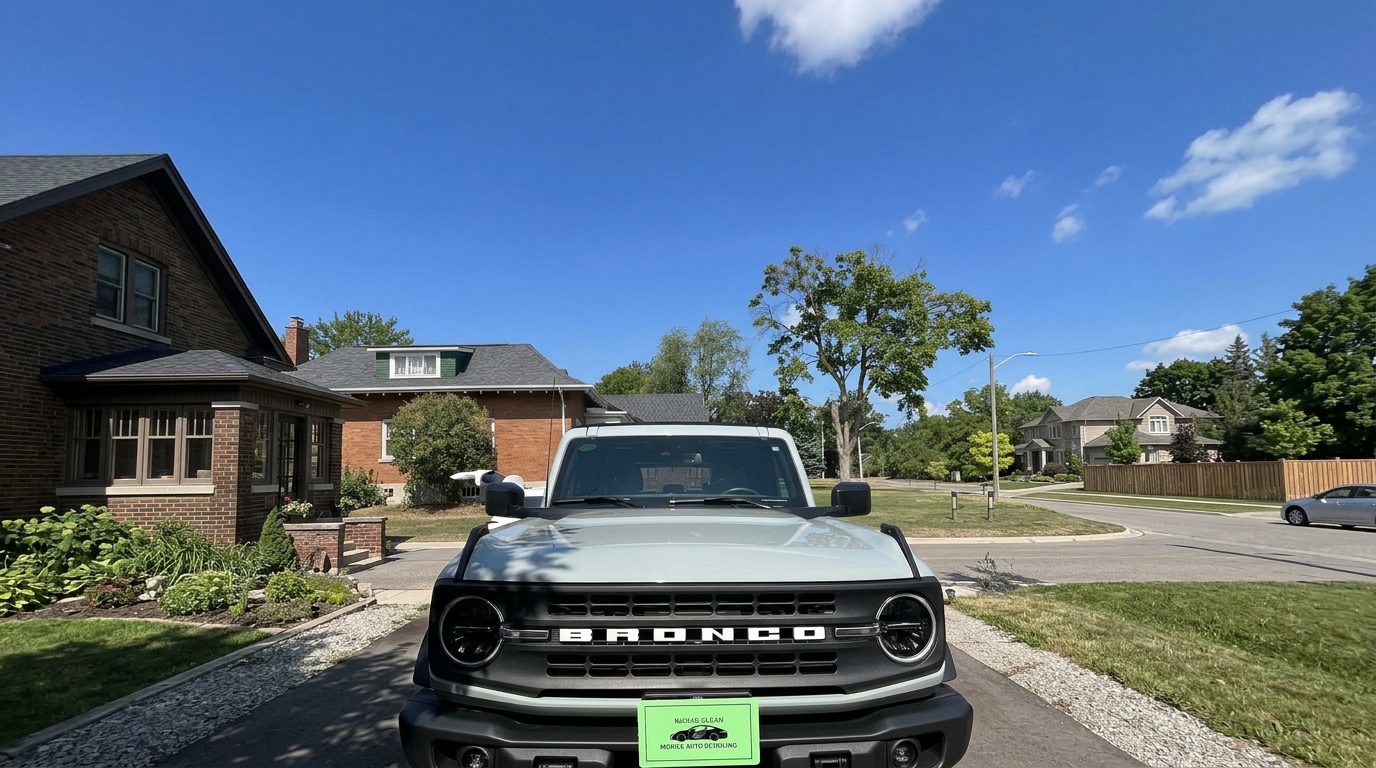
Spring Restoration: Eliminating Winter's Corrosive Legacy
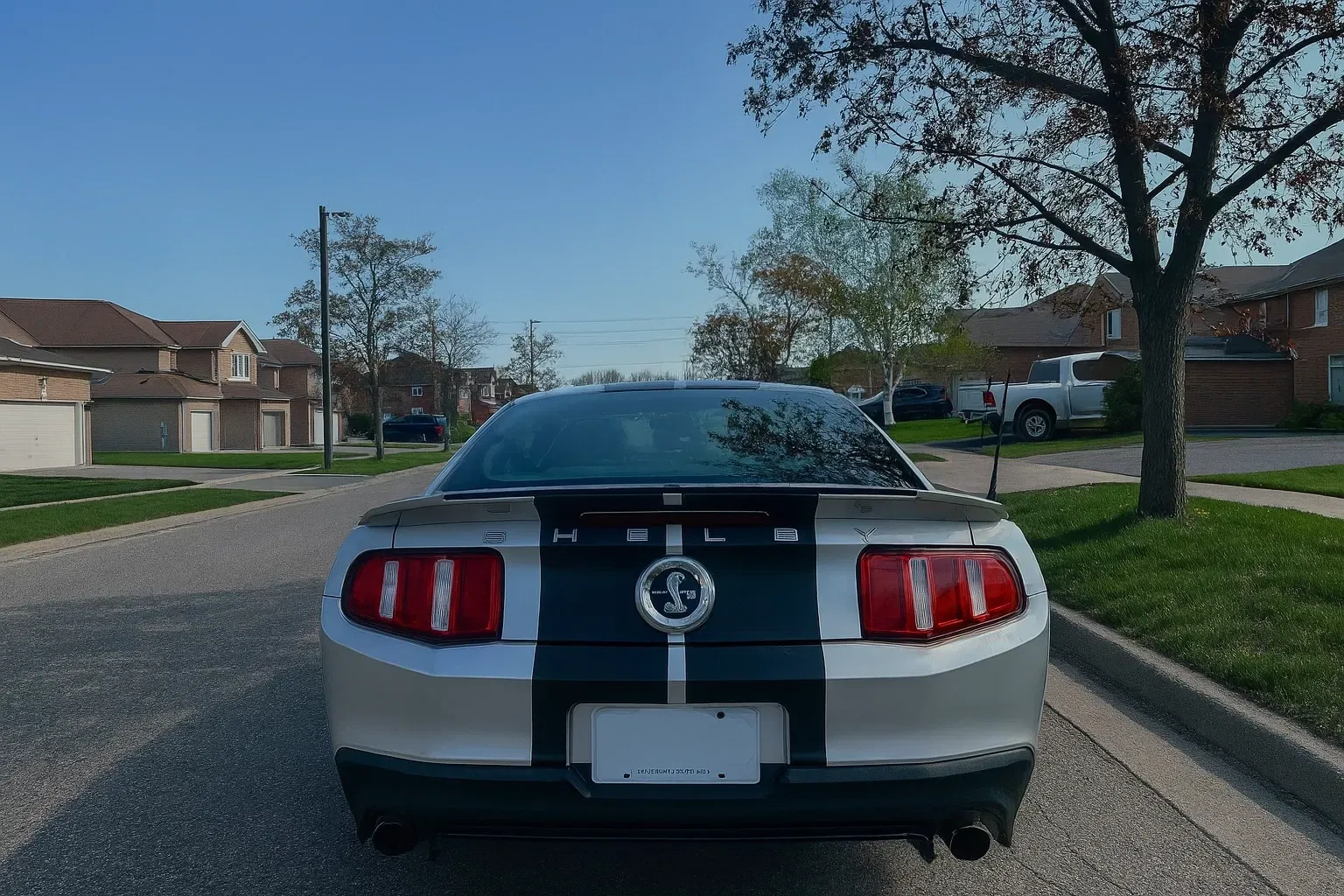
As the snow melts across Toronto and Mississauga, your vehicle carries a hidden burden: a thick layer of road salt and magnesium chloride. In the GTA, spring (specifically April and May) is widely considered the most critical window for a full vehicle detail. During these months, the primary goal is a comprehensive de-salting of both the exterior surfaces and the carpet fibers. According to experts, this period requires full interior shampooing and exterior decontamination to remove salt and prevent surface corrosion.
Left untreated, salt residues can eat through clear coats and bond to metal components, leading to premature rust. For residents in high-traffic areas like Brampton, the influx of potholes and slush often means that wheel wells and door jambs are packed with debris. A professional spring detail shouldn't just be about aesthetics; it is a vital maintenance step that involves iron removers and clay bar treatments to pull embedded contaminants out of the paint. Modern detailing techniques ensure that the 'invisible' salt particles are neutralized before the heat of late spring accelerates the oxidation process.
Spring is also the season of allergens. Pollen levels in Ontario can be remarkably high, coating your car in a yellow dust that is surprisingly abrasive. By scheduling a professional cleaning like the [/services/bear-hug-interior-exterior](Bear Hug INTERIOR & EXTERIOR), you ensure that your cabin air filters are checked and that the interior surfaces are sanitized. This removes the salt dust that has dried into the carpets over the winter, preventing it from becoming airborne every time you turn on the air conditioning. It is the perfect opportunity to reset your vehicle's condition for the pleasant driving weather ahead.
Summer Protection: Guarding Against UV Rays and Organic Contaminants
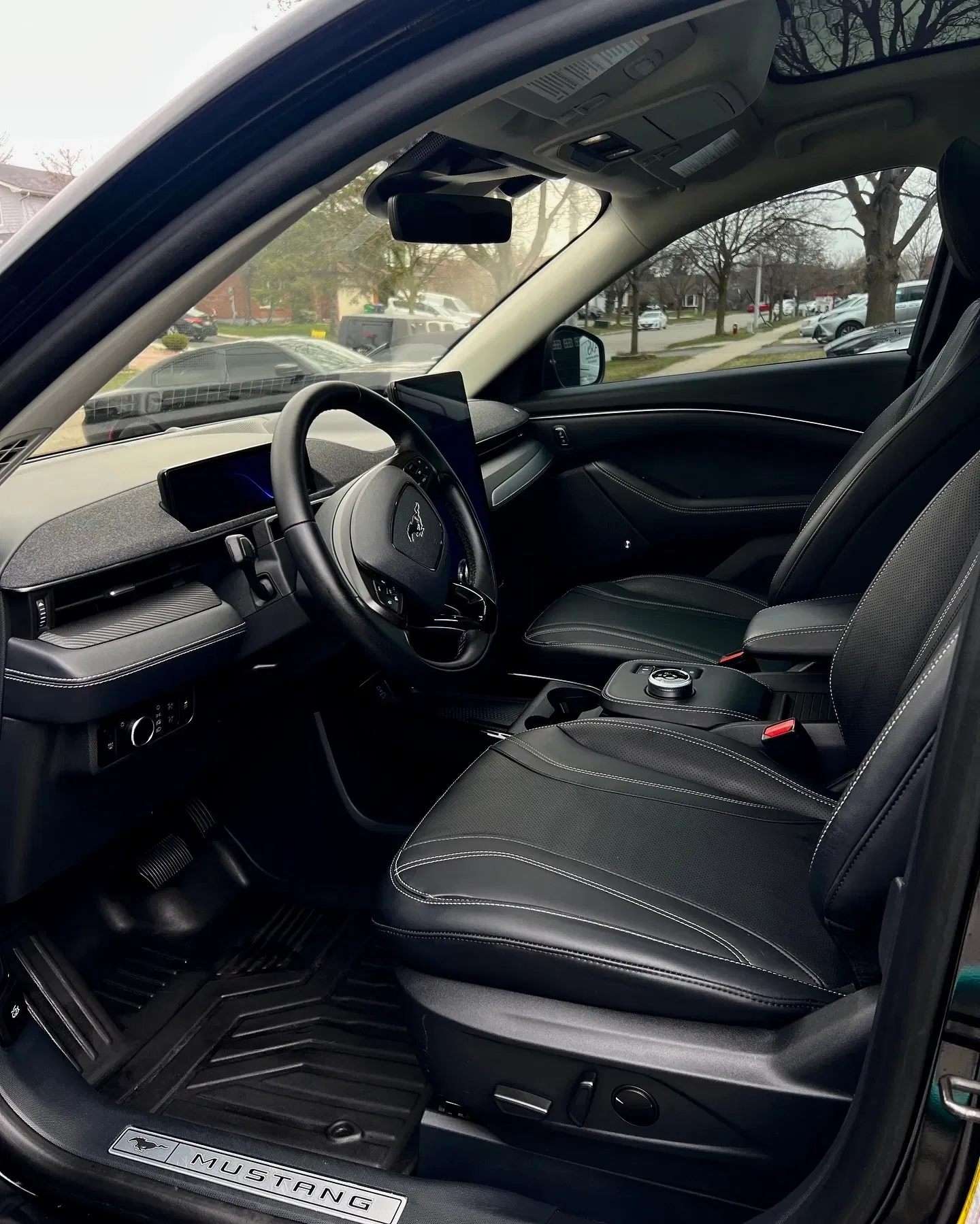
While summer in Southern Ontario is the peak time for showing off a shiny car, the intense sun poses significant threats to your vehicle’s finish. From June through August, UV exposure becomes the primary enemy, causing paint oxidation and drying out leather or vinyl interiors. To combat this, detailed exterior decontamination followed by a high-quality sealant or ceramic coating top-up is highly recommended during the summer months. Furthermore, interior UV protection is essential due to the high heat that cars experience when parked in open lots in Oakville or Burlington.
Organic contaminants also peak during the summer. Tree sap, bird droppings, and bug splatter are chemically acidic and can etch into your clear coat in just a matter of hours under a hot sun. Regular maintenance washes are not enough; you need a protective layer that allows these substances to be rinsed away easily. Many GTA drivers find that an extra layer of protection through specialized add-ons is the best way to maintain that deep gloss throughout the vacation season while preventing permanent damage from the environment.
Interior heat management is another professional detailing benefit. When we treat dashboards and upholstery with UV-inhibiting conditioners, we create a barrier that prevents the plasticizers in your trim from evaporating (which is what causes that 'filmy' residue on the inside of windshields). For families frequently traveling to cottage country, this seasonal maintenance ensures the cabin remains a healthy, pleasant environment. High-use vehicles, especially those used for summer road trips, benefit from more frequent exterior care every 4–6 weeks to manage the constant bombardment of debris and insects.
Fall Preparation: Setting the Shield Before the First Snowfall
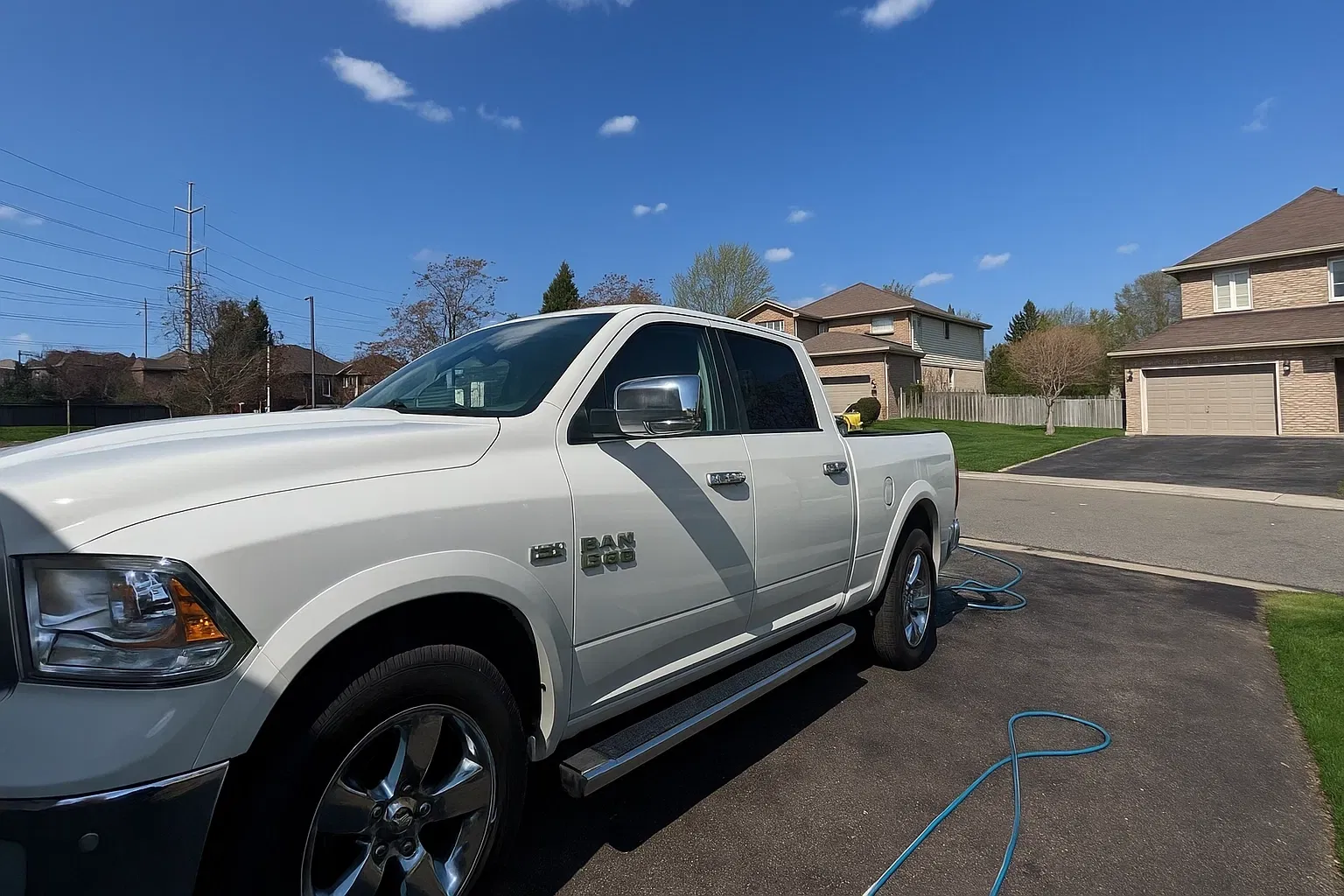
Fall is perhaps the most strategic time for a GTA car owner to visit a detailer. Specifically, late October to early November is the 'golden window' for winter preparation. Research suggests that the best time to detail for winter is just before the first snowfall, as this allows protective products to bond effectively to the paint before temperatures drop below freezing. If you're in Hamilton, you know how fast the lake-effect weather can change, making pre-emptive protection a necessity rather than a luxury.
A thorough fall detail focuses on locking in a durable sealant or ceramic coating. This acts as a sacrificial barrier against the impending road salt and brine that Ontario municipalities use liberally. Without this layer, the salt stays in direct contact with your paint for months at a time. This is also the best time to treat leather and vinyl surfaces; the cold winter air is incredibly dry, which can lead to leather cracking if it hasn't been properly conditioned during the autumn months. A deep interior cleaning ensures that no organic Matter (like fallen leaves or mud) is trapped inside to rot or cause odors during the damp winter months.
Moreover, professional detailers recommend taking this time to apply glass sealants. As visibility decreases with longer nights and frequent storms, a hydrophobic coating on your windshield can be a lifesaver. This falls under the essential 'winterization' of your vehicle. By choosing a comprehensive package like the Bear Hug INTERIOR & EXTERIOR in Toronto, you are essentially winter-proofing your investment, ensuring the harsh Canadian elements never touch the actual surfaces of your car. This proactive approach significantly maintains the resale value of your vehicle in the competitive GTA market.
Winter Maintenance: The Mid-Season Salt Neutralization

It is a common misconception that detailing should be avoided in the winter. In reality, the months between December and March are when your car is under the heaviest chemical attack. To prevent long-term damage, a monthly interior detailing is recommended to prevent permanent damage caused by salt tracked in on boots. Salt doesn't just stain; it is hygroscopic, meaning it pulls moisture out of the air and stays damp against your floorboards, which can eventually lead to rust from the inside out.
For residents in areas like Burlington or Mississauga, a mid-winter 'salt-purge' focus is key. This typically involves a thorough extraction of the carpets and cleaning of the door sills and jambs where salt accumulation is most concentrated. While a full exterior wax may not be feasible in sub-zero temperatures without a heated shop, a professional touchless wash or a waterless wash in a controlled environment can remove the abrasive 'salt crust' that makes your car look dull and increases the risk of scratching the paint when you brush against it.
If you find yourself in the middle of a particularly harsh January, look for a mid-winter warm spell. These brief windows where temperatures rise above freezing are ideal for a quick refresh. Focusing on the Bear Den INTERIOR ONLY service during this time ensures that the cabin remains hygienic and that salt crystals don't have the chance to harden into the fabric. Winter detailing isn't about the shine; it's about decontamination and preservation. It bridges the gap between your heavy fall protection and your restorative spring deep-clean, ensuring that the 'hard' cleaning needed in April is much less intensive.
Frequency and Lifestyle: Customizing Your Detailing Schedule
While the four-season calendar provides a great baseline, your specific lifestyle in the GTA may dictate a more frequent schedule. Standard guidance suggests that most drivers should detail their car every 3 months. However, if you are a professional in downtown Toronto using your car for client meetings, or a parent in Oakville dealing with daily spills and crumbs, a bi-monthly interior refresh might be more appropriate. High-use vehicles like those used for ridesharing or logistics often require monthly attention to maintain a professional image and sanitary environment.
For those who have invested in premium vehicles or ceramic coatings, the focus shifts toward maintenance. Even with a coating, regular 'decontamination' washes are necessary every few months to ensure the hydrophobic properties aren't masked by road film. Drivers in Oakville who frequently park under trees may need more aggressive fall detailing to remove leaf debris that can clog drainage channels and cause water leaks into the cabin. Every driver’s needs are unique, but the primary goal remains the same: protecting one of your largest financial investments from the aggressive Ontario climate.
Ultimately, a consistent schedule is your best defense against depreciation. By aligning your visits to Kodiak Clean with the peaks of the Toronto weather cycle—especially the critical spring and fall windows—you ensure that your vehicle stays in 'like-new' condition for years. Whether you need a quick Bear Den INTERIOR ONLY in Hamilton or a full restoration, the best time to detail is always 'before' the damage has a chance to set in. Following an annual four-detail schedule not only keeps your car looking great but identifies potential issues like stone chips or leather wear before they become expensive repairs.